Appendicitis & Infections of the Liver and Biliary System
2026-03-01
Prof. Russell E. Lewis
Department of Molecular Medicine
University of Padua
russelledward.lewis@unipd.it
https://github.com/Russlewisbo
slides available at: www.padovaid.com

![]() |
10–14 organisms typically can be cultured from inflamed appendix
Reflects colonic microbiota
Key organisms:
Escherichia coli
Bacteroides fragilis group
Prevotella spp.
Peptostreptococcus spp.
Streptococcus anginosus group
Appendiceal microbiome is remarkably diverse
Dozens of phyla, hundreds of species
Distinct from other GI tract locations
Enriched in inflamed appendix:
Fusobacterium
Peptostreptococcus
Parvimonas
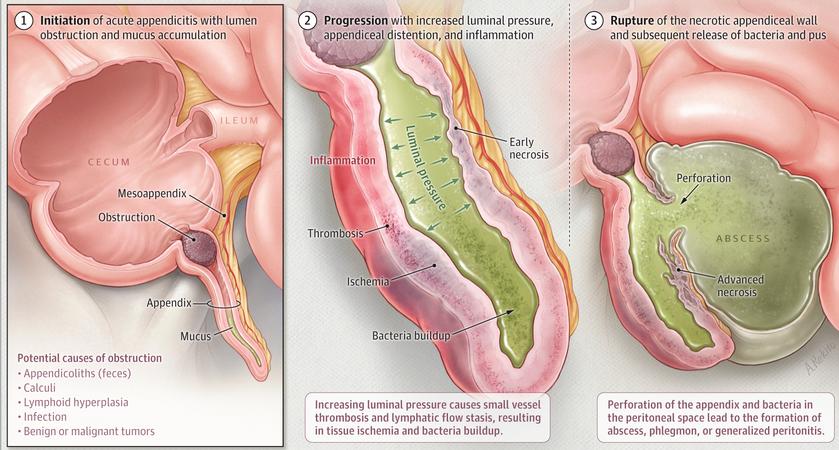
Dysbiosis may drive appendicitis (not obstruction)
| Organism | Presentation |
|---|---|
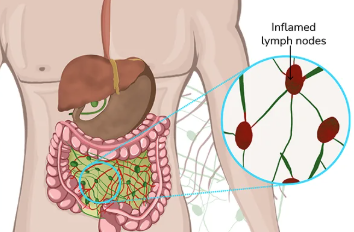
| Yersinia spp. | Ileocecitis, mesenteric adenitis → mimics appendicitis |
| Campylobacter | Pseudoappendicitis with ileocecitis |
| Salmonella | Pseudoappendicitis with mesenteric adenitis |
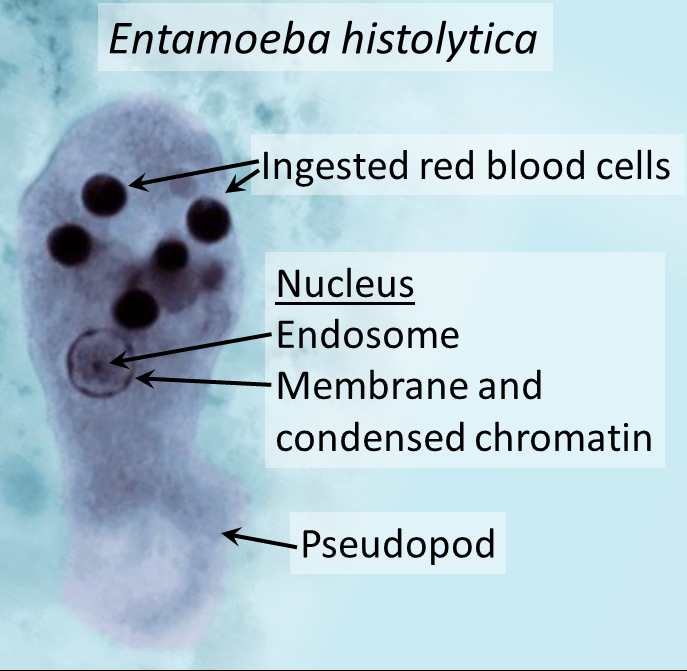
| E. histolytica | True appendicitis (rare) |
| Viruses (EBV, CMV, measles) | Mesenteric adenitis |
| Sign | Description |
|---|---|
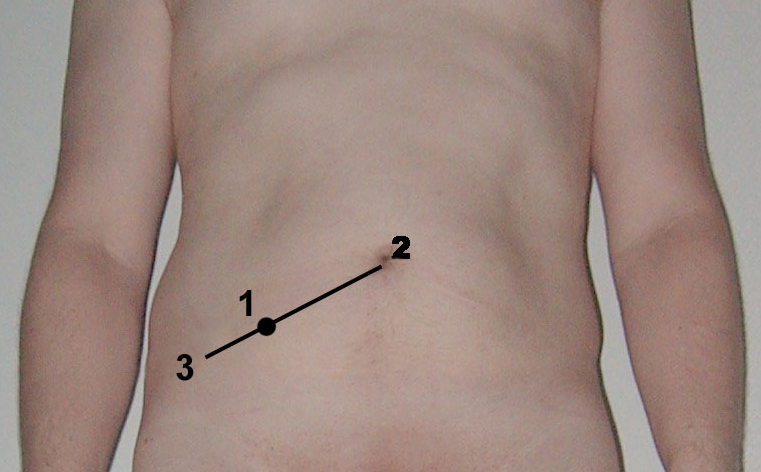
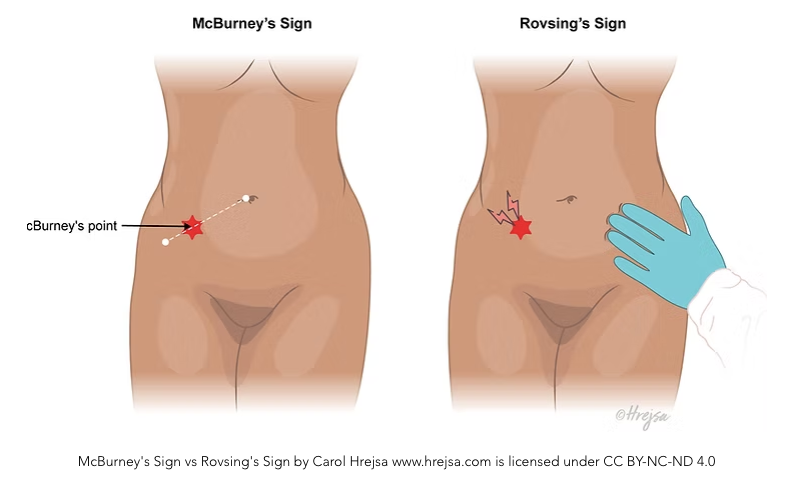
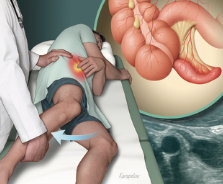
| Rovsing sign | RLQ pain with LLQ palpation |
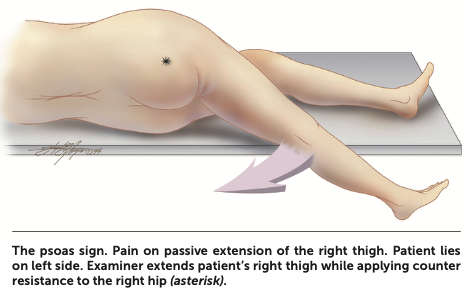
| Psoas sign | Pain with active hip extension |
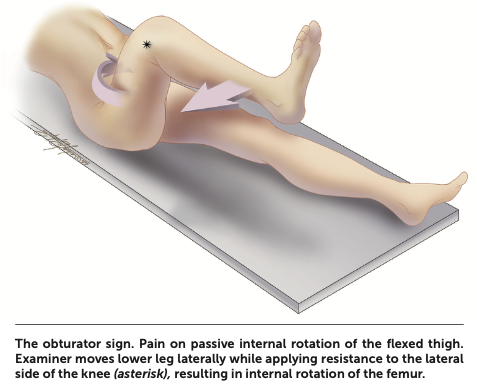
| Obturator sign | Pain with internal hip rotation |
| Guarding | Involuntary muscle contraction |
| Rebound tenderness | Pain on release of pressure |
Warning
Diagnosis is more difficult in:
Women of childbearing age (gynecologic mimics)
Pelvic appendixes (pelvic/LLQ pain)
Third-trimester pregnancy (RUQ pain shift)
Elderly patients (atypical presentations)
Young children (inability to localize pain)
Alvarado Score (MANTRELS): migration, anorexia, nausea, tenderness, rebound, elevated temp, leukocytosis, shift to left
| Letter | Clinical Feature | Points |
|---|---|---|
| M | Migration of pain to right lower quadrant | 1 |
| A | Anorexia | 1 |
| N | Nausea/vomiting | 1 |
| T | Tenderness in right lower quadrant | 2 |
| R | Rebound pain | 1 |
| E | Elevated temperature (>37.3°C) | 1 |
| L | Leukocytosis (>10,000/mm³) | 2 |
| S | Shift to left (neutrophilia >75%) | 1 |
| Score | Risk | Recommendation |
|---|---|---|
| 1–4 | Low | Appendicitis unlikely; consider discharge with observation |
| 5–6 | Equivocal/intermediate | Further workup warranted (imaging, observation, surgical consult) |
| 7–8 | High | Likely appendicitis; surgical consultation indicated |
| 9–10 | Very high | Appendicitis highly probable; proceed to surgery |
| Variable | Criteria | Points |
|---|---|---|
| Vomiting | Present | 1 |
| Right lower quadrant pain | Present | 1 |
| Rebound tenderness or muscular defense | Mild | 1 |
| Moderate | 2 | |
| Strong | 3 | |
| Temperature | ≥ 38.5°C | 1 |
| Leukocytosis (×10⁹/L) | 10.0–14.9 | 1 |
| ≥ 15.0 | 2 | |
| Proportion of neutrophils (%) | 70–84% | 1 |
| ≥ 85% | 2 | |
| CRP (mg/L) | 10–49 | 1 |
| ≥ 50 | 2 |
| Score | Risk | Recommendation |
|---|---|---|
| 0–4 | Low | Appendicitis unlikely; discharge with observation |
| 5–8 | Indeterminate | Imaging, active observation, or surgical consult |
| 9–12 | High | Appendicitis highly probable; surgical intervention |
Key advantages over Alvarado
CRP is included — a more sensitive and specific acute-phase reactant than WBC alone
Graded variables — rebound tenderness, PMN%, WBC, and CRP are each weighted by severity rather than binary yes/no
Higher specificity for ruling in appendicitis, and better negative predictive value for low scores
Performs well in both sexes, with some studies showing superior performance to Alvarado in women
Validated in multiple prospective European and international cohorts
Tip
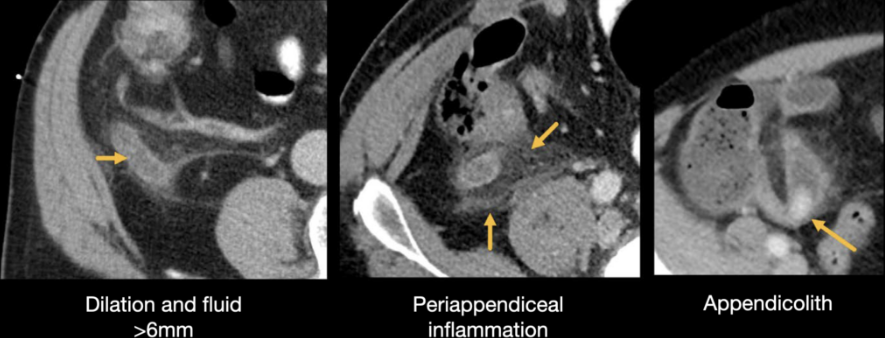
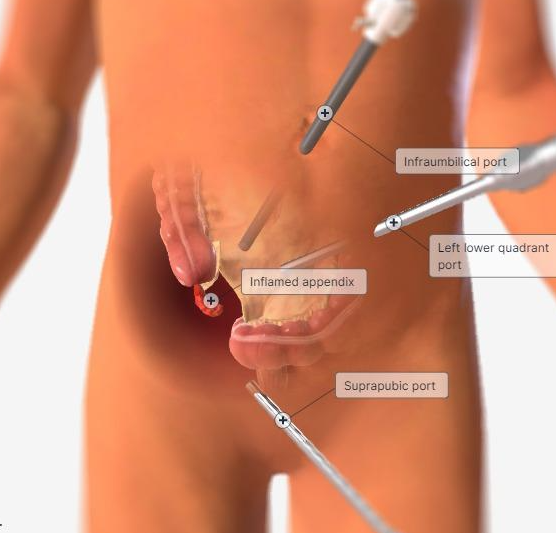
An “antibiotic first” strategy has emerged as a safe and effective option for uncomplicated appendicitis
| Feature | Amebic | Pyogenic |
|---|---|---|
| Cause | E. histolytica | Bacterial (polymicrobial or monomicrobial) |
| Pathology | Hepatocyte apoptosis | Suppurative infection |
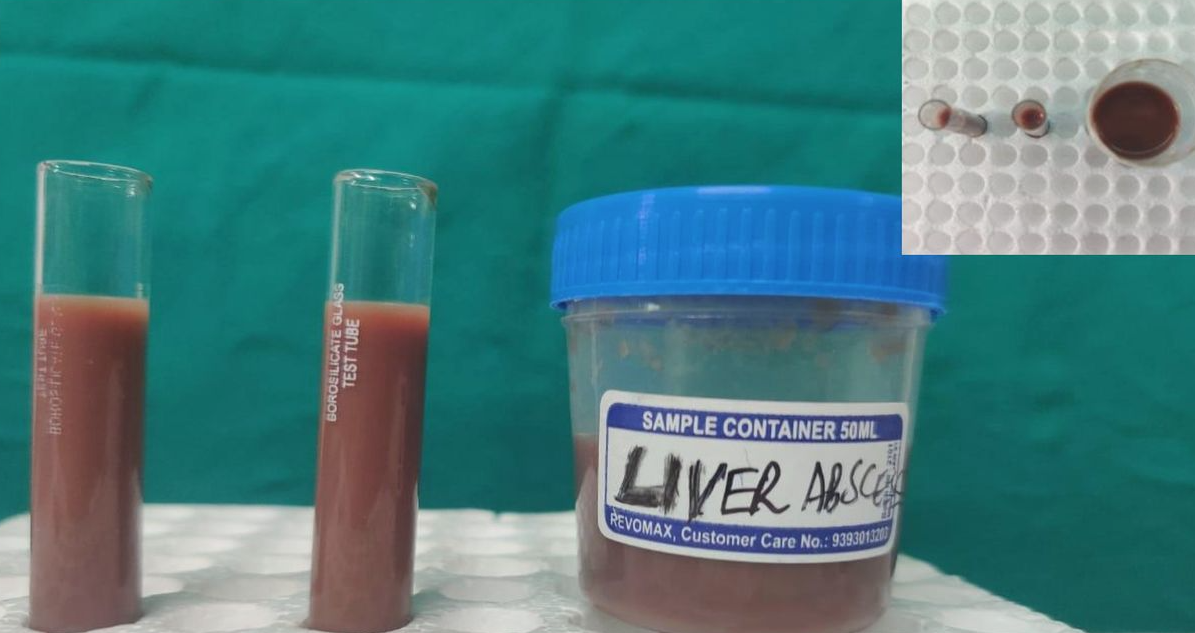
| “Pus” appearance | Anchovy paste (nonpurulent) | Purulent |
| Primary treatment | Medical (metronidazole) | Drainage + antibiotics |
| Route | Frequency |
|---|---|
| Biliary tree (cholangitis) | 40–50% |
| Cryptogenic | 20–40% |
| Portal vein (pylephlebitis) | 5–15% |
| Hepatic artery (bacteremia) | 5–10% |
| Direct extension | 5–10% |
| Trauma | 0–5% |
| Factor | Function |
|---|---|
| Gal/GalNAc lectin | Epithelial adherence |
| Amoebapores | Pore formation in target cell membranes |
| Cysteine proteases | Tissue invasion, immune evasion |
| Apoptosis induction | Hepatocyte and neutrophil killing |
Cultures positive in 80–90% of cases
Polymicrobial in 20–50% , key organisms:
E. coli and K. pneumoniae (most common gram-negatives)
Streptococcus anginosus group (most common gram-positive) -
Bacteroides spp. (most common anaerobe)
Anaerobes recovered in 15–30%
Warning
Public Health Threat
Fever + dull, aching RUQ pain
Only 15–35% have GI symptoms
Acute (<2 weeks) in ~2/3 of cases
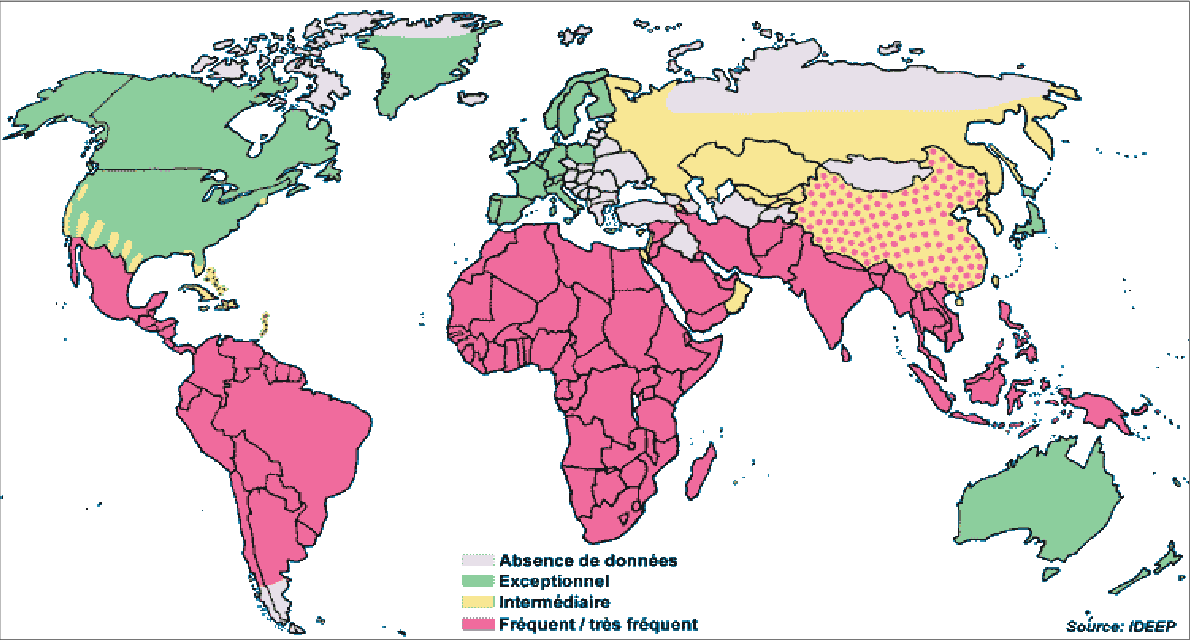
Can develop months to years after travel
Risk factors: male sex, corticosteroid use
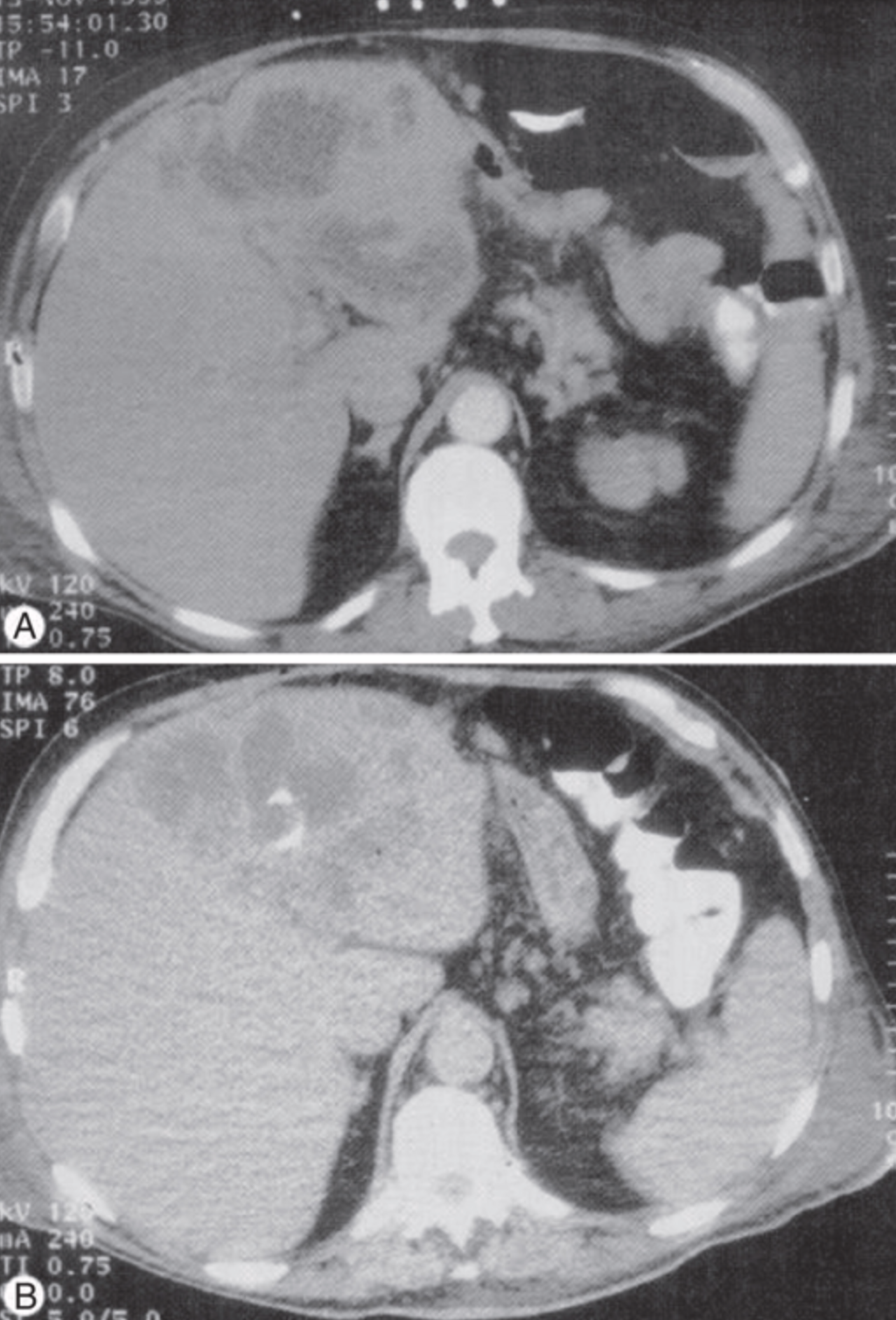
Indistinguishable from pyogenic on clinical grounds alone
| Feature | Amebic | Pyogenic |
|---|---|---|
| Male:female | 5–18:1 | 1–2.4:1 |
| Age | 30–40 | 50–60 |
| Duration (days) | <14 | 5–26 |
| Mortality | 10–25% | 0–5% |
| Abdominal pain | 80% | 55% |
| RUQ tenderness | 75% | 25–55% |
| Modality | Sensitivity | Best For |
|---|---|---|
| Ultrasonography | 70–90% | Initial assessment, biliary disease |
| CT (contrast-enhanced) | ~95% | Definitive diagnosis, drainage guidance |
| MRI | High | Distinguishing from neoplasia |
| Fine-needle aspiration | Definitive | Diagnostic confirmation |
Enzyme immunoassay: sensitivity 65–92%, highly specific
Can be negative if symptom duration <2 weeks
Repeat serology in 1–2 weeks usually positive
Positive serology confirms present or prior infection
Cannot distinguish from extraintestinal disease
ELISA for Gal/GalNAc lectin: >95% sensitivity in serum
Highly sensitive for amebic colitis
Patients with liver abscess usually don’t have concurrent intestinal infection
PCR: Potential for aspirated fluid; limited to research labs
cfDNA testing: Circulating cell-free DNA
Recent study: 90% sensitivity, 100% specificity for amoebic abscess
Noninvasive blood-based assay
Tip
Almost always treatable with medical therapy alone
| Drug | Regimen |
|---|---|
| Metronidazole | 750 mg TID × 7–10 days |
| Tinidazole | 2 g daily × 3 days |
| Secnidazole/Ornidazole | Extended half-life alternatives |
| Paromomycin (luminal agent) | Follow-up to eliminate colonization |
Uncomplicated: drainage NOT required
Indications for drainage: - No response to medical therapy (>5–7 days)
Diagnostic uncertainty (rule out pyogenic)
Large lesions at risk for rupture:
Left-sided abscesses (pericardial rupture risk)
Bacterial superinfection (1–5% of cases)
Percutaneous preferred over surgical drainage
Percutaneous catheter drainage: Preferred primary therapy
Success rate: 69–90%
Can be performed at time of diagnosis
Catheter left in place 5–14 days until drainage resolves
Recent success rates with antibiotics: 80–95% (even for >10 cm abscesses)
Surgical drainage if: percutaneous fails, concurrent surgical disease, multiple/loculated abscesses
| Approach | Agents |
|---|---|
| Monotherapy | Piperacillin-tazobactam OR carbapenem |
| Combination | 3rd/4th-gen cephalosporin + metronidazole OR fluoroquinolone + metronidazole |
No RCTs establishing optimal duration
Meta-analysis: pooled mean 32.7 days
oTraditional: IV 2–3 weeks → oral 4–6 weeks total
Some evidence for shorter courses (2–4 weeks)
Singapore RCT: 4-week oral ciprofloxacin noninferior to 4-week IV ceftriaxone for K. pneumoniae
Follow-up imaging to guide duration
| Feature | Aspiration | Catheter Drainage |
|---|---|---|
| Success rate | 58–88% (≤5 cm) | 69–90% |
| Recurrence | Higher | Lower |
| Meta-analysis evidence | Drainage superior | Drainage superior |
| Best for | Small, solitary abscesses | Larger, multiple abscesses |
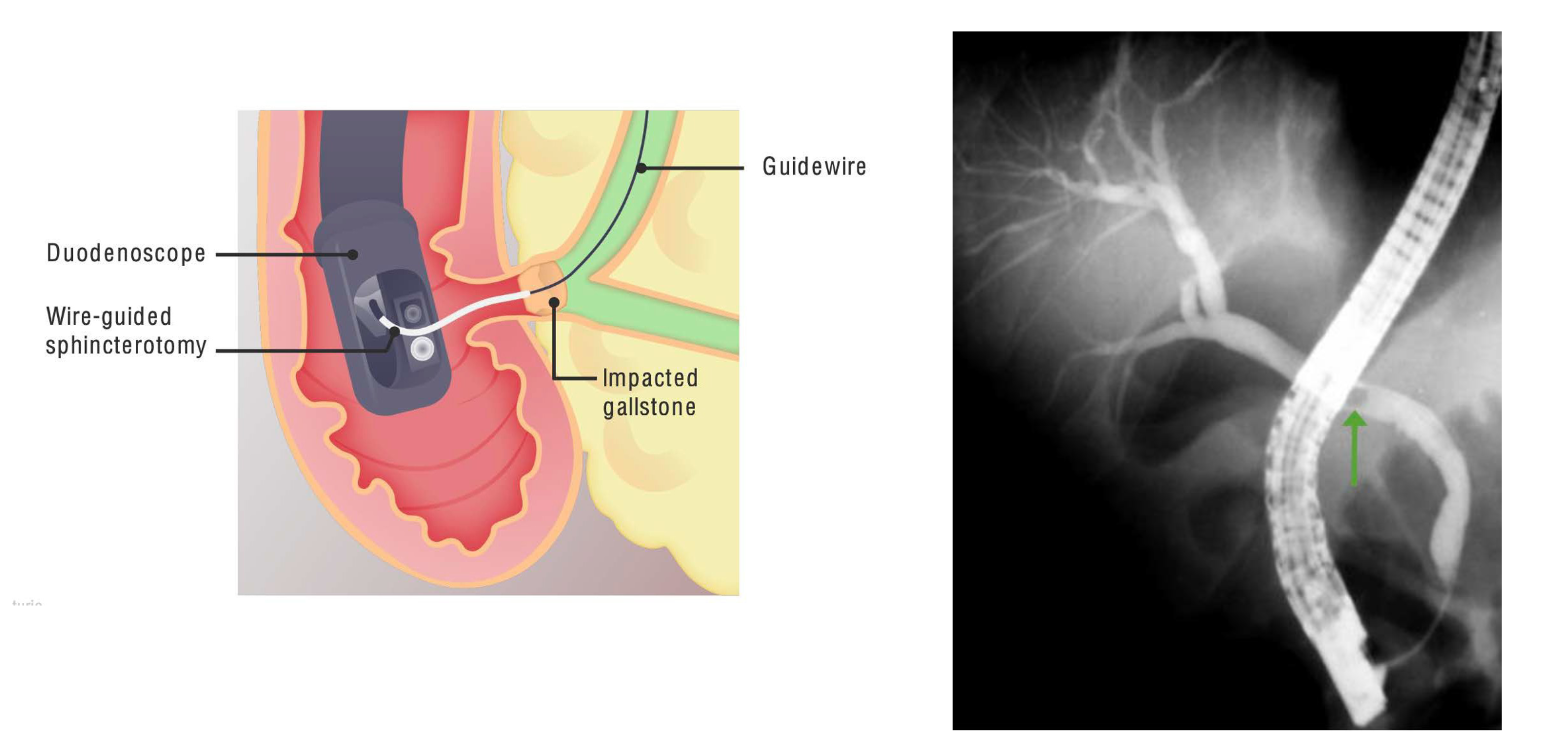
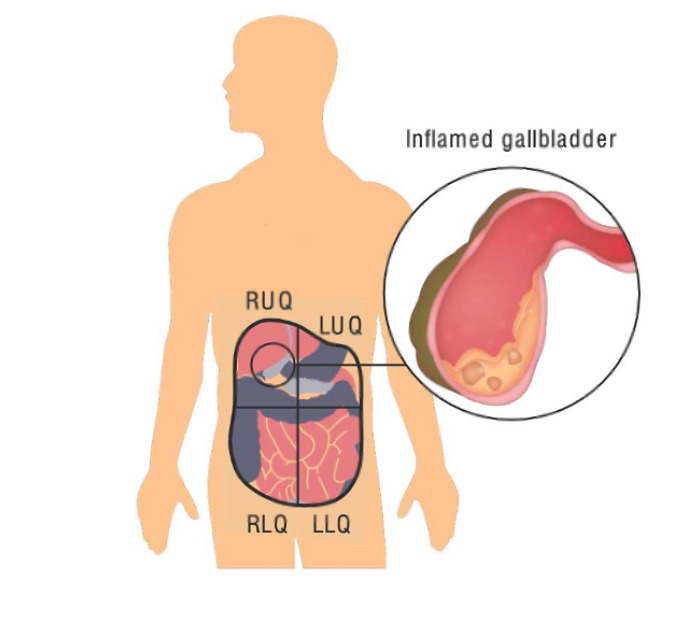
Infections associated with
obstruction to bile flow
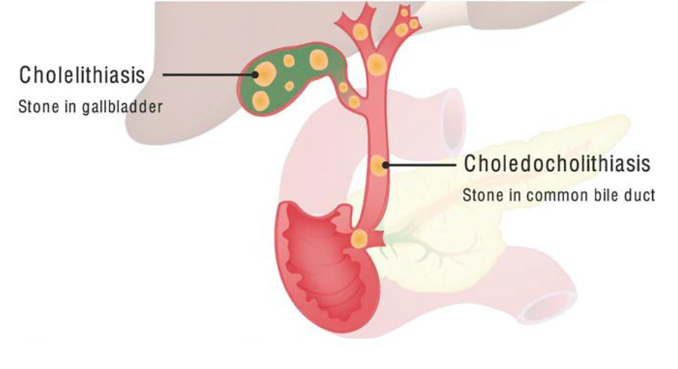
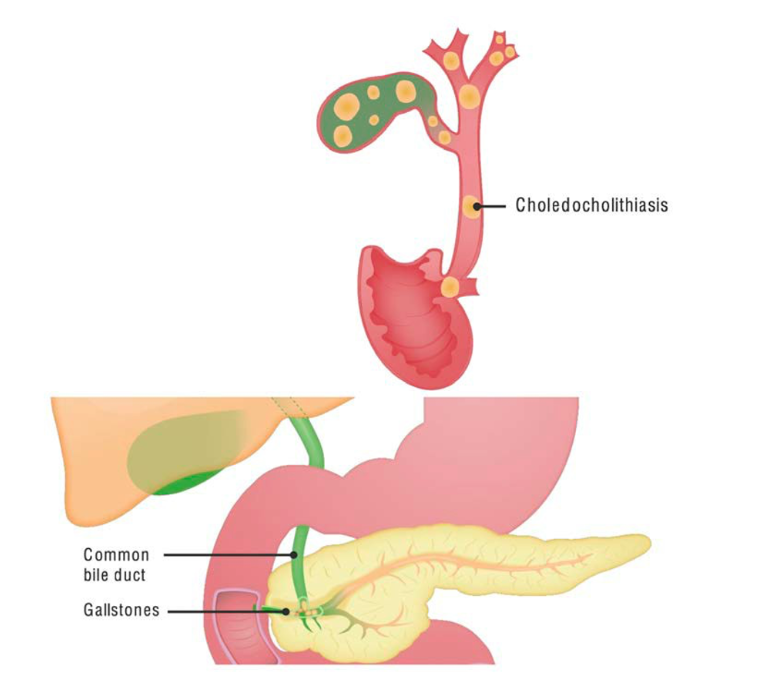
Gallstones: common and usually asymptomatic
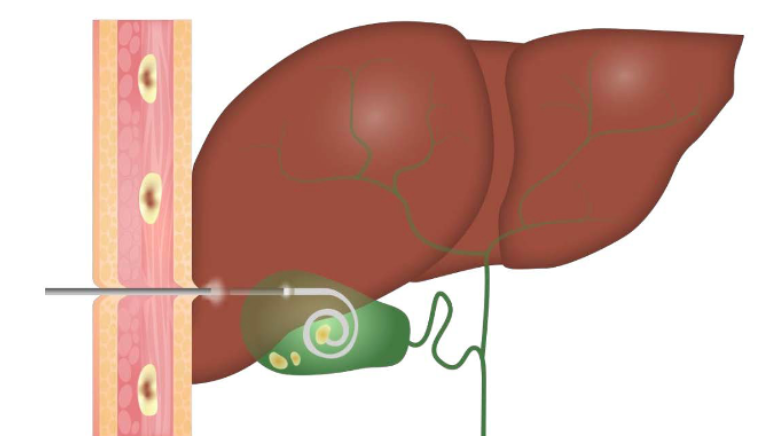
1% to 4% complicated by acute cholecystitis
Over 100,000 cholecystectomies per year in Italy
2–15% of cases are acalculous cholecystitis
| Good Penetration (ABSCR ≥1) | ABSCR | Low Penetration (ABSCR <1) | ABSCR |
|---|---|---|---|
| Piperacillin/tazobactam | 4.8 | Ceftriaxone | 0.75 |
| Tigecycline | >10 | Cefotaxime | 0.23 |
| Amoxicillin/clavulanate | 1.1 | Meropenem | 0.38 |
| Ciprofloxacin | >5 | Ceftazidime | 0.18 |
| Ampicillin/sulbactam | 2.4 | Vancomycin | 0.41 |
| Cefepime | 2.04 | Amikacin | 0.54 |
| Levofloxacin | 1.6 | Gentamicin | 0.30 |
| Penicillin G | >5 | ||
| Imipenem | 1.01 |
ABSCR = Antibiotic Bile/Serum Concentration Ratio. Source: Ansaloni et al. PMID 27307785
Community-acquired
No prior biliary instrumentation
Low resistance risk
| Regimen | Agents |
|---|---|
| 3rd-gen cephalosporin | Ceftriaxone, cefotaxime |
| 2nd-gen cephalosporin | Cefuroxime |
| 1st-gen cephalosporin | Cefazolin (cholecystitis only) |
| Fluoroquinolone | Ciprofloxacin, levofloxacin (if local resistance permits) |
| β-lactam/β-lactamase inhibitor | Amoxicillin/clavulanate |
Note
Anaerobic coverage not required unless bilioenteric anastomosis or prior biliary intervention
::: callout-note Anaerobic coverage not required unless bilioenteric anastomosis or prior biliary intervention :::
Grade III cholangitis
Prior instrumentation
Healthcare-acquired
High resistance risk
| Regimen | Agents |
|---|---|
| Carbapenem | Imipenem/cilastatin, meropenem, ertapenem |
| β-lactam/β-lactamase inhibitor | Piperacillin/tazobactam |
| Fluoroquinolone + anaerobic cover | Ciprofloxacin or levofloxacin + metronidazole |
Additional considerations:
| Appendicitis | Amebic Abscess | Pyogenic Abscess | |
|---|---|---|---|
| Peak age | 15–25 | 30–40 | 50–60 |
| Cause | Obstruction/dysbiosis | E. histolytica | Biliary/polymicrobial |
| Diagnosis | CT | Serology + imaging | Culture + imaging |
| Treatment | Surgery or antibiotics | Metronidazole | Drainage + antibiotics |