Immunosuppression: An overview of infection risk

Russell E. Lewis

2026-03-01

Immununosuppression:
An Overview of Infection Risk


Prof. Russell E. Lewis
Department of Molecular Medicine
University of Padua


russelledward.lewis@unipd.it
https://github.com/Russlewisbo


slides available at: www.padovaid.com

Introduction & Epidemiology

The growing population of immunocompromised hosts


  • Estimated 5-6% of the Italian population is immunocompromised (Martinson and Lapham, 2024)
  • 1% of children fall into cohort of immunocompromised (VERDI project)
  • 2.8% meet criteria for drug-induced immunosuppression (Wallace et al., 2021)

What causes immunocompromise?


Major categories:

  • Active treatment (chemotherapy) for malignancies
  • Solid organ transplant (SOT)
  • Hematopoietic cell transplant (HCT)
  • CAR-T cell therapy
  • Primary immunodeficiency
  • Advanced HIV infection
  • High-dose corticosteroids & biologics

The net state of immunosuppression

Defining net state of immunosuppression


A concept by Dr. Robert Rubin (Massachusetts General Hospital-Harvard, Boston):
“Father” of transplant infectious diseases”

“Composite of host factors, underlying disease, treatment, and other factors contributing to infection risk”


Components of the “net immunosuppresed state”


Host Factors

  • Advanced age
  • Malnutrition
  • Diabetes
  • Organ dysfunction
  • Hypogammaglobulinemia

Treatment Factors

  • Immunosuppressive drugs
  • Chemotherapy
  • Radiation
  • Surgery/hardware
  • Duration of therapy

Components (continued)


Underlying Disease

  • Autoimmune disease
  • Malignancy type
  • Organ failure stage

Infectious Factors

  • HIV, CMV, EBV status
  • Microbiome alterations
  • Prior infections

Infectious Complications & Mortality

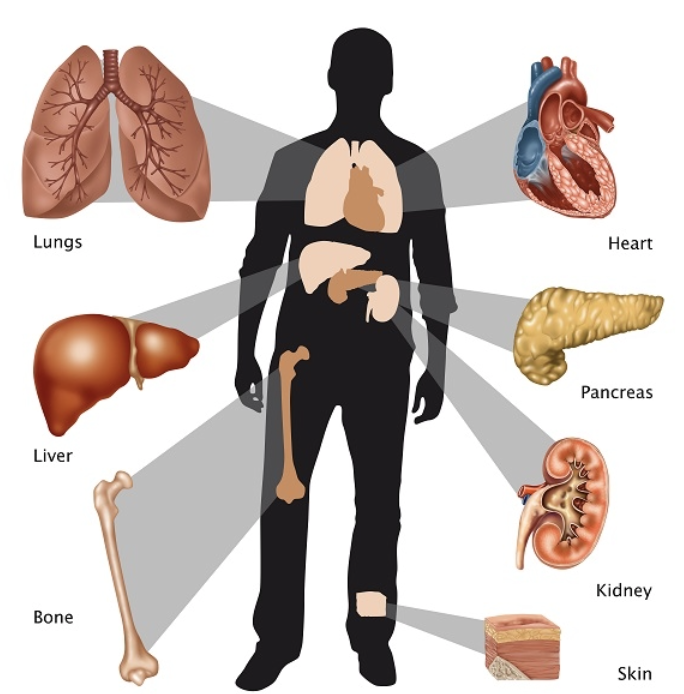
SOT Recipients


  • 6% died from infection within first year (Swiss cohort) (Delden et al., 2020)
  • 55% had infections in first year (German renal cohort) (Sommerer et al., 2022)
    • Half occurred in first 3 months
    • Bacteria: 66%, Viruses: 29%, Fungi: 5%

Hematopoetic stem cell transplantation (HSCT) recipients


Type Stem Cell Source Donor Immunosuppression
Autologous Peripheral blood, Bone marrow Self Moderate; no GvHD prophylaxis required; recovery within weeks
Allogeneic — matched related Peripheral blood, Bone marrow, Umbilical cord blood HLA-matched sibling or family member Severe; prolonged due to GvHD prophylaxis and risk of GvHD
Allogeneic — matched unrelated (MUD) Peripheral blood, Bone marrow, Umbilical cord blood HLA-matched unrelated donor (registry) Very severe; higher GvHD risk than matched related; intensive prophylaxis
Allogeneic — haploidentical Peripheral blood, Bone marrow Half-matched family member (parent, child, sibling) Very severe; requires intensive T-cell depletion or post-transplant cyclophosphamide
Allogeneic — umbilical cord blood Umbilical cord blood Unrelated cord blood unit Very severe; delayed immune reconstitution due to low cell dose

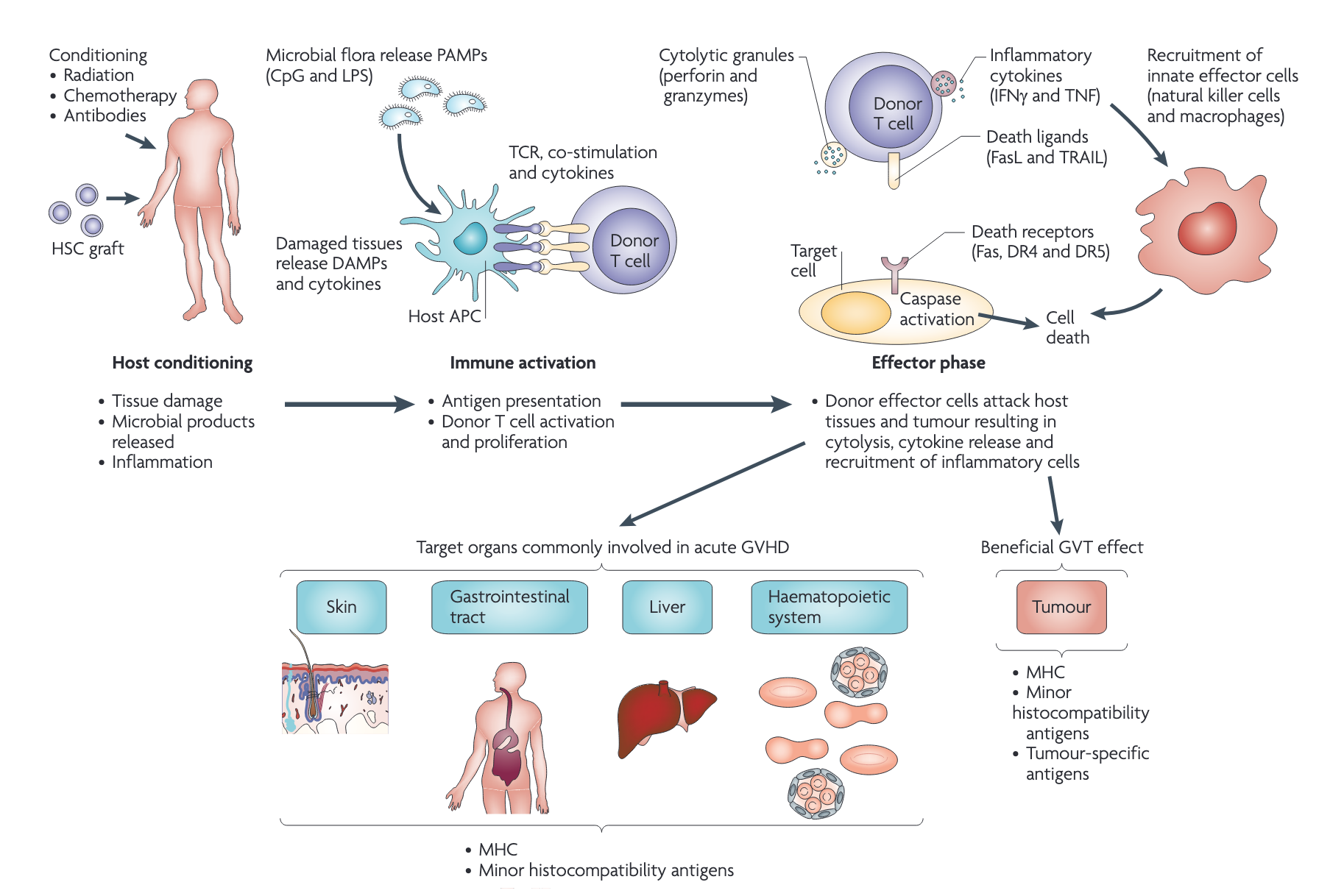
Allogeneic hematopoetic stem cell
transplantation (HSCT) recipients


Timeline of Infection Risk

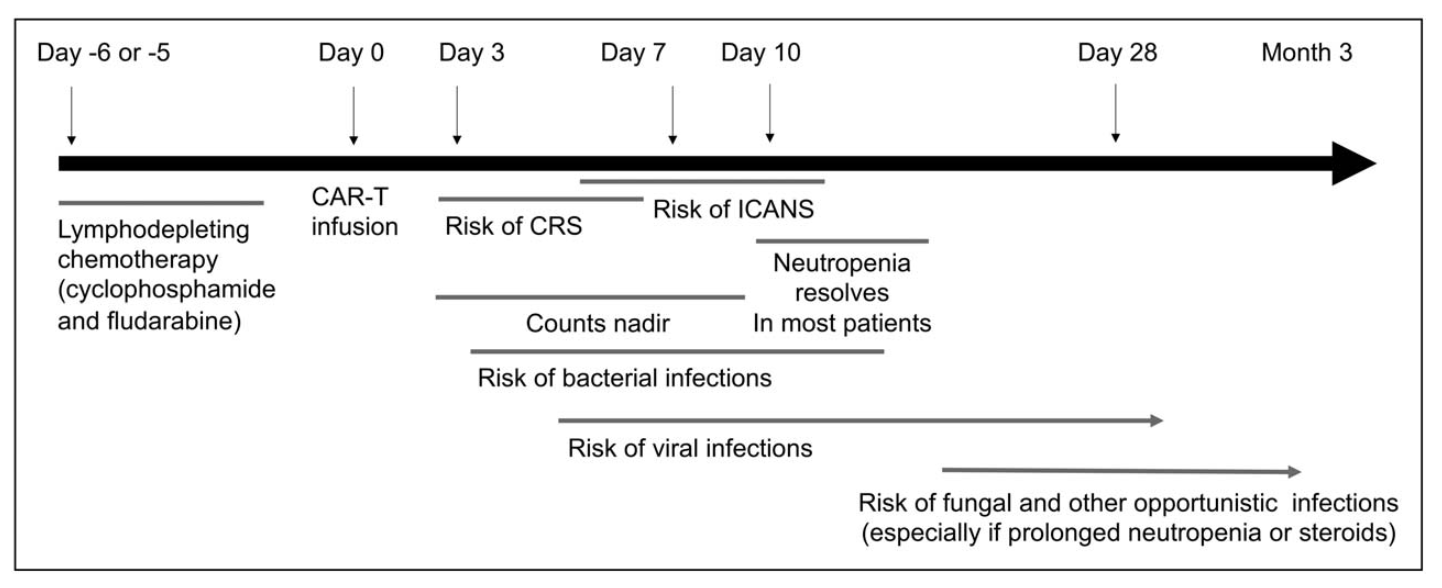
What is CAR-T therapy?

Immunosuppression timeline with CAR-T

CAR-T cell therapy


  • Patients are profoundly immunosuppressed
  • Up to 1/3 suffer serious bacterial infection in first 30 days (Stewart and Henden, 2021)
  • Cytokine release syndrome complicates assessment
  • Prolonged B-cell aplasia → hypogammaglobulinemia

Measuring Immunosuppression

Available Markers


Useful in HIV:

  • CD4 count
  • CD4 percentage
  • CD4/CD8 ratio

General markers:

  • Neutrophil count
  • Lymphocyte count
  • Immunoglobulin levels

Emerging biomarkers


  • Viral reactivation (EBV, CMV, TTV, BK) → correlates with immunosuppression
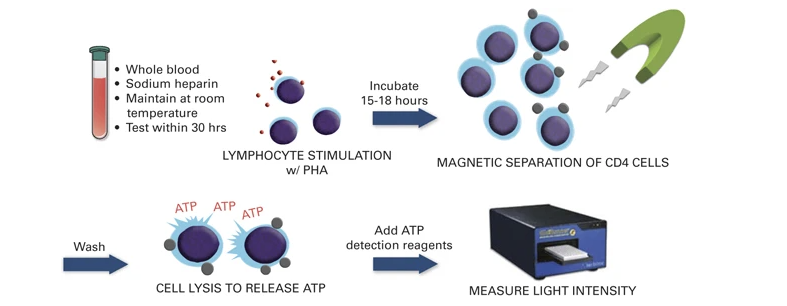
  • QuantiFERON Monitor → may identify over-immunosuppression
  • ImmuKnow assay → correlates with infection/rejection risk
  • Traditional markers (ESR, CRP, procalcitonin) → NOT predictive


Sources of Infection

Community-acquired pathogens


  • Most common infections mimic community pathogens
  • Immunocompromised patients are often “sentinel cases” in outbreaks
  • Respiratory viruses, GI pathogens
  • Norovirus, C. difficile

Healthcare-associated pathogens


  • Increased risk of MDR organisms due to frequent healthcare contact
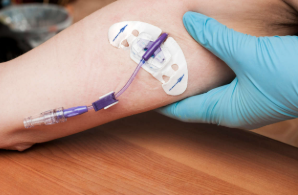
  • Catheter-related infections
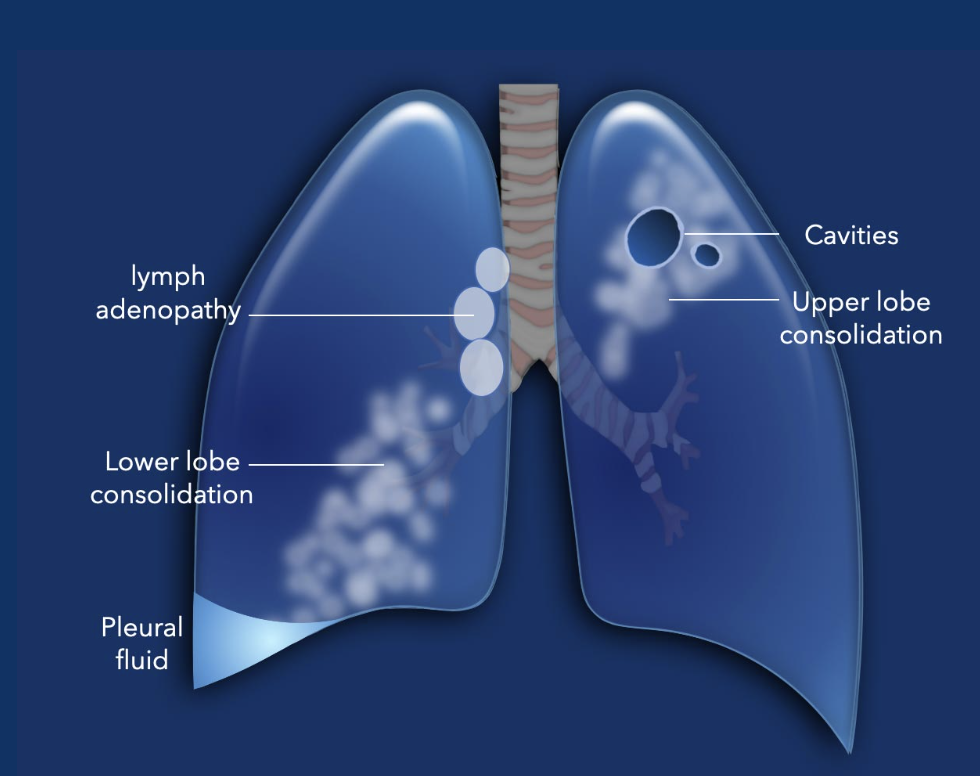
  • Pneumonia
  • UTI

Reactivation of latent infections


Key pathogens to screen for and monitor:

  • Mycobacterium tuberculosis
  • Strongyloides
  • Hepatitis B
  • Coccidioides, Histoplasma
  • Trypanosoma cruzi (Chagas)

Donor-derived infections

  • Organ transplant
  • Stem cell transplant
  • Blood products
  • Usually within first 6 months
  • Most common infections:
    • Cytomegalovirus
    • Epstein-Barr virus (post-transplant lymphoproliferative disease)
    • Herpes simplex and varicella zoster
    • Hepatitis B,C
    • HIV
    • Bacterial infections
    • Fungal infections (Candida, Aspergillus)

Components of Host Defense

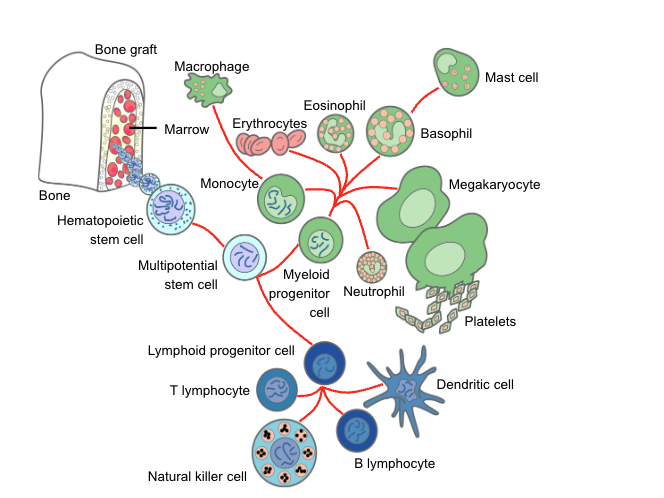
Overview of immune system


Innate Immunity

  • Granulocytes
  • Monocytes/Macrophages
  • NK cells
  • Complement
  • Physical barriers

Acquired Immunity

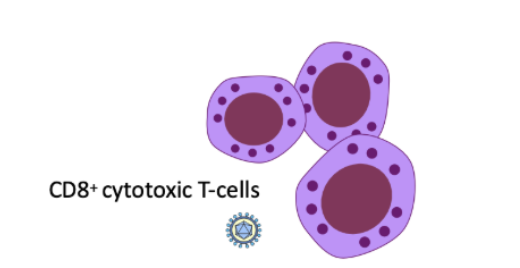
  • Cellular (T cells)
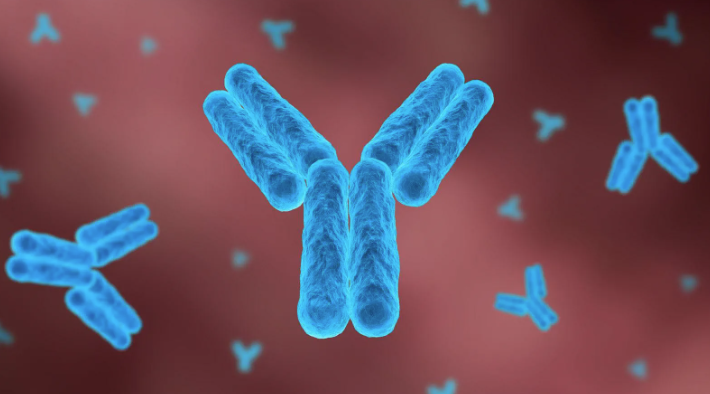
  • Humoral (B cells)
  • Antibody production

Granulocytes (neutrophils)


  • Chemotherapy & radiation → neutropenia

  • Duration: 3-4 weeks or longer

  • Primary risk factor for infection

  • Risk increases with:

    • Depth of neutropenia
    • Duration of neutropenia
  • Concurrent organ dysfunction

Corticosteroid effects on neutrophils


Paradoxical effects:

  • ↑ Granulocytopoiesis (apparent benefit)
    • BUT: ↓ Accumulation at infection site
  • ↓ Adherent capacity
  • ↓ Chemotaxis
  • ↓ Phagocytosis
  • ↓ Intracellular killing

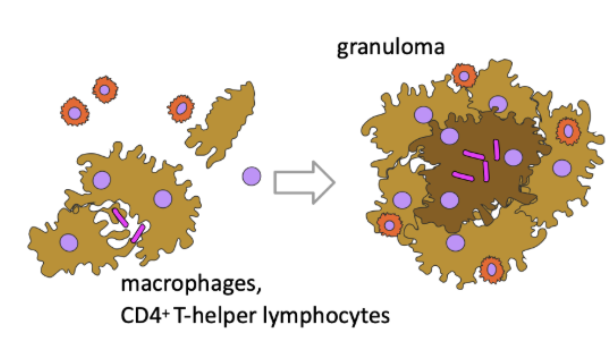
Monocytes & macrophages


  • Monocytopenia parallels neutropenia
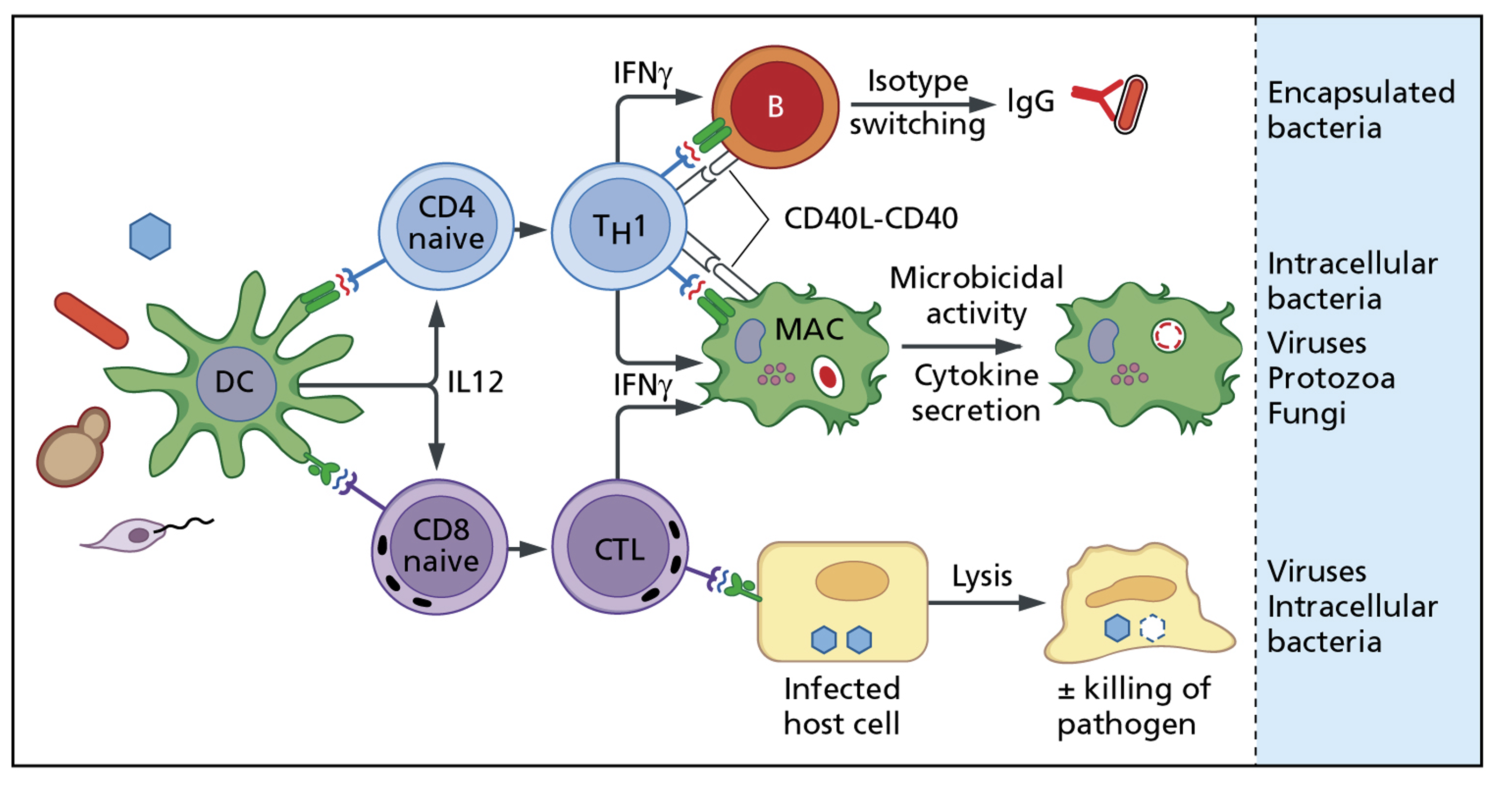
  • Macrophage activation requires T-cell cytokines (IFN-γ)
  • Explains cellular immunodeficiency susceptibility
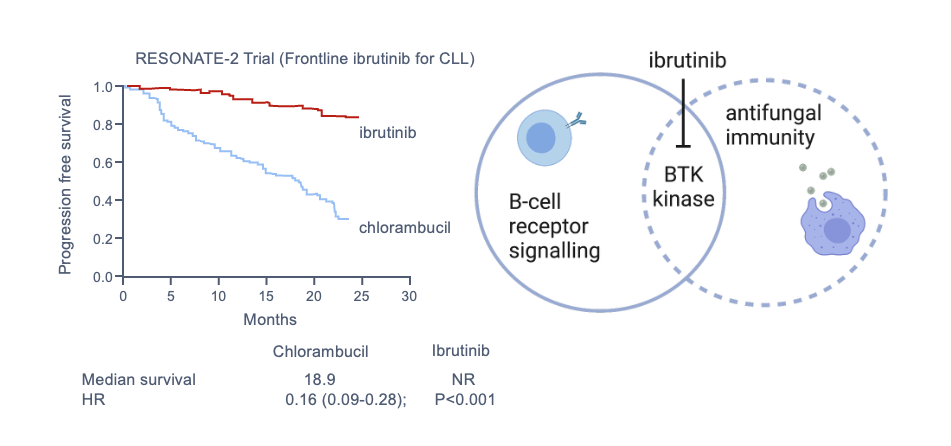
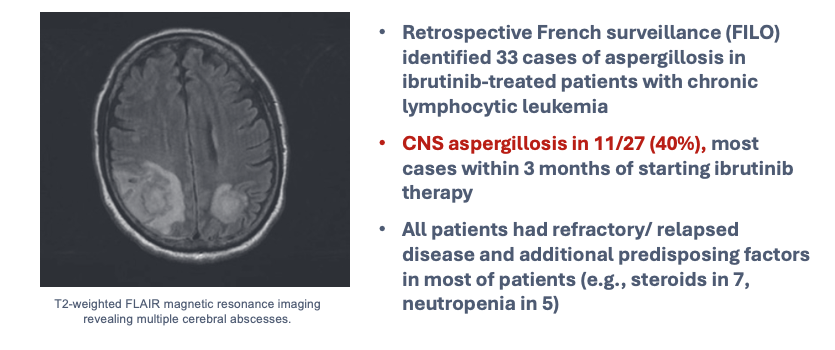
  • Targeted therapies can have unexpected effects

Ibrutinib

Unexpected fungal infections
NK cells and platelets


NK Cells:

  • Respond to viruses and malignancy
  • CD56 receptor → Aspergillus recognition
  • Dysfunction contributes to fungal susceptibility

Platelets:

  • Increasingly recognized immune role

  • Thrombocytopenia → independent bacteremia risk

  • Protection against yeast and molds

Cellular immunity


Drugs that impair T-cell function:

  • Corticosteroids
  • Azathioprine, cyclosporine, tacrolimus
  • mTOR inhibitors (sirolimus, everolimus)
  • Purine analogues (fludarabine, cladribine)
  • Alemtuzumab

Diseases: Hodgkin lymphoma, CLL

Targeted therapy risks


Drug Mechanism Infection Risk
Ruxolitinib JAK-STAT inhibitor TB, HBV reactivation
Ibrutinib BTK inhibitor Aspergillosis, PJP
Idelalisib PI3K inhibitor P. jirovecii


If you see a drug ending in “mab” or “nib” or “sib” ….consider unique infection risk

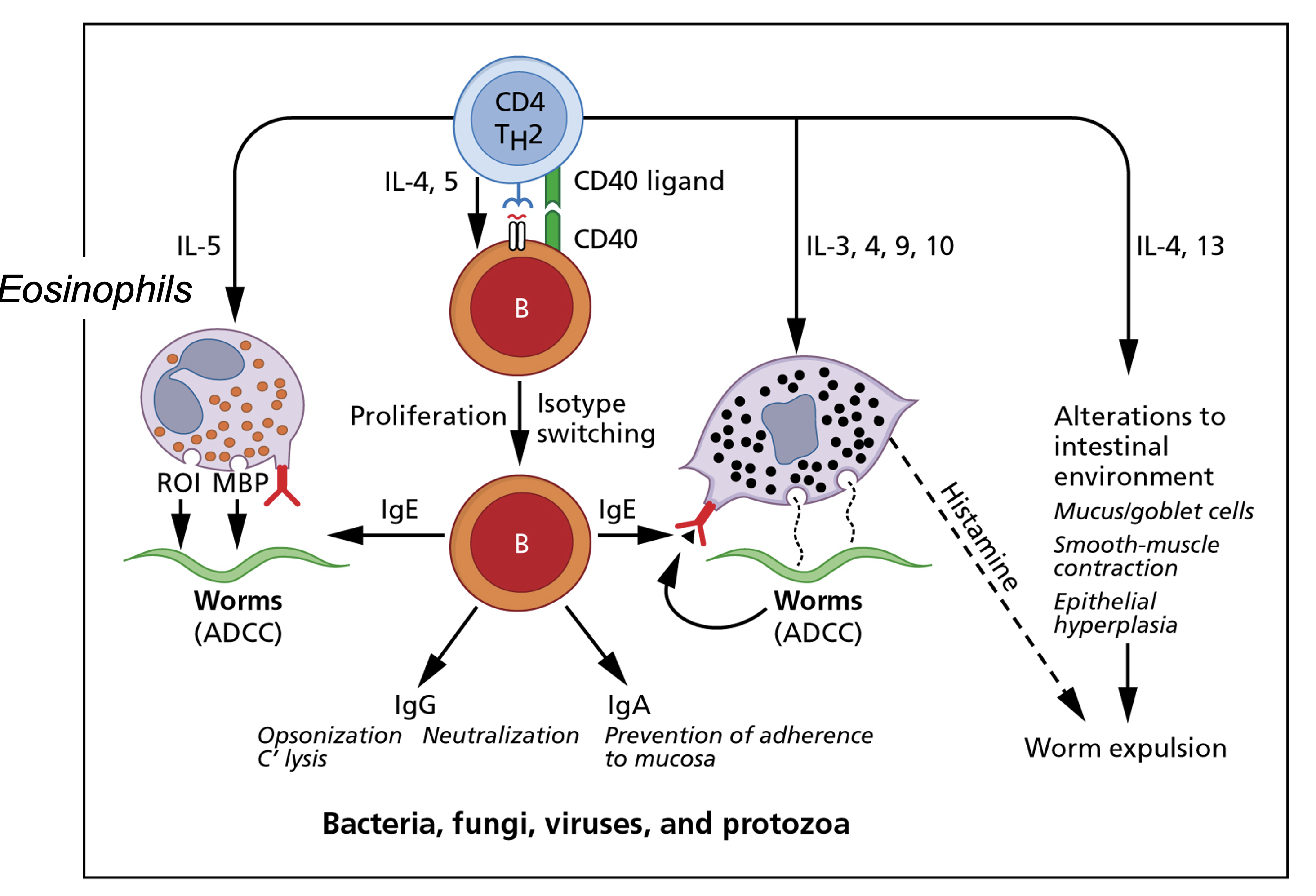
Humoral immunity


  • B cells → antibody-secreting plasma cells
  • Impaired in CLL, multiple myeloma
  • Rituximab, CAR-T → B-cell depletion
  • Profound, long-lasting hypogammaglobulinemia

Splenectomy: Loss of encapsulated bacteria defense-big 3

  • Streptococcus pneumoniae

  • Haemophilus influenzae type B

  • Neisseria meningitidis


Less common: Capnocytophaga canimorsus, Salmonella spp. E. coli

PSV and PPSV23 vaccine, MENACWY and MenB vaccine, HIB, Influenzae- Vaccinate 2 weeks before elective splenectomy or 2 weeks after emergency splenetocmy

Physical Barriers


The Integument

Skin:

  • Chemotherapy → hair loss, dryness
  • Catheters → direct microbial access
  • Broken skin → S. aureus, gram-negatives

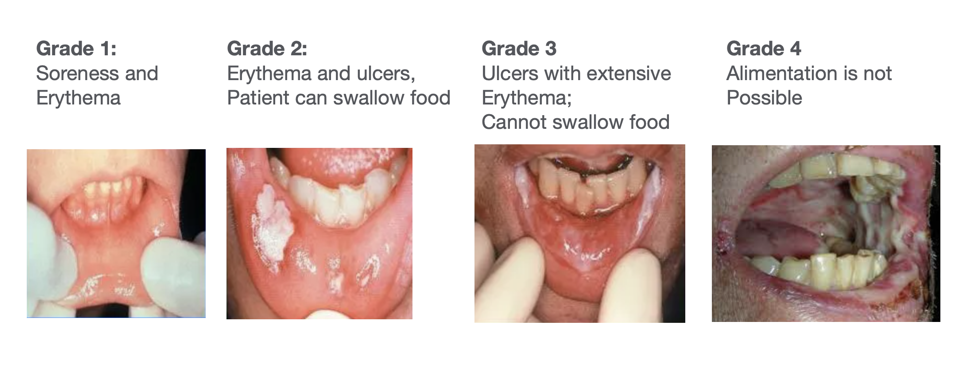
Oropharynx:

  • Xerostomia + antibiotics → thrush, bacterial overgrowth
Alimentary Tract

  • Microbiome disruption with antibiotics→ C. difficile
  • Mucosal barrier injury from chemotherapy
  • Facilitates bacterial translocation
  • With concomitant neutropenia allows progression to sepsis

Immunodeficiency-Pathogen Associations

Neutropenia: Gram-positive pathogens


  • Coagulase-negative staphylococci more common than
    Staphylococcus aureus (most are from central venous catheter)
  • Viridans streptococci
  • Enterococci

Neutropenia: Gram-negative pathogens


  • Escherichia coli
  • Pseudomonas aeruginosa
  • Klebsiella pneumoniae
  • Enterobacter spp.

Impaired cellular immunity


Bacteria/Mycobacteria:

  • Listeria monocytogenes

  • Nocardia spp.

  • M. tuberculosis

  • Nontuberculous mycobacteria

Fungi/Parasites:

  • P. jirovecii

  • Aspergillus spp.

  • Cryptococcus spp.

  • Toxoplasma gondii

Impaired cellular immunity (viruses)


  • Herpesviruses (HSV, VZV, CMV, EBV)
  • Respiratory viruses
  • Polyomaviruses (BK, JC)
  • Human papillomavirus

Impaired humoral immunity


  • Streptococcus pneumoniae
  • Haemophilus influenzae
  • Neisseria meningitidis
  • Norovirus
  • Hepatitis B virus

Prevention Strategies

Prophylaxis principles


TMP-SMX for PJP :typically 1 DS tablet daily also covers:

  • Toxoplasma
  • S. aureus
  • Nocardia
  • Many gram-positives/negatives

Antiviral prophylaxis: Val(acyclovir) for CMV (weak activity), HSV, VZV prevention. Valganciclovir or letermovir for higher risk CMV patients

Patient education


High-risk exposures to avoid:

  • Gardening without protection (molds, Nocardia)
  • Poor dental hygiene (Actinomyces, bacteremia)
  • Marijuana smoking (Aspergillus)
  • Raw seafood (Vibrio)
  • Warm ocean swimming

Key Takeaways

Summary points

  1. 6% of population is immunocompromised
  2. Net state of immunosuppression = composite assessment
  3. First 100 days after transplant = highest risk period
  4. No single marker predicts infection risk
  5. Know pathogen associations with specific defects
  6. Prophylaxis significantly alters risk profile

Clinical Pearls


Remember

  • TMP-SMX provides broader coverage than just PJP prophylaxis
  • Timing matters—early vs late infections differ
  • Targeted therapies have unexpected infection risks
  • Consider the whole patient, not just the lab values

References


D’Souza A, Fretham C. Current uses and outcomes of hematopoietic cell transplantation (HCT): CIBMTR summary slides 2018.
Delden C van, Stampf S, Hirsch HH, et al. Burden and timeline of infectious diseases in the first year after solid organ transplantation in the Swiss transplant cohort study. Clinical Infectious Diseases 2020;71:e159–69. https://doi.org/10.1093/cid/ciz1113.
Jenq RR, Brink MRM van den. Allogeneic haematopoietic stem cell transplantation: Individualized stem cell and immune therapy of cancer. Nature Reviews Cancer 2010;10:213–21. https://doi.org/10.1038/nrc2804.
Martinson ML, Lapham J. Prevalence of immunosuppression among US adults. JAMA 2024;331:880–2.
Maus MV, Lionakis MS. Infections associated with the new ’nibs and mabs’ and cellular therapies. Current Opinion in Infectious Diseases 2020;33:281289. https://doi.org/10.1097/QCO.0000000000000656.
Norkin M, Shaw BE, Brazauskas R, et al. Characteristics of late fatal infections after allogeneic hematopoietic cell transplantation. Biology of Blood and Marrow Transplantation 2019;25:362–8. https://doi.org/10.1016/j.bbmt.2018.09.031.
Sommerer C, Schröter I, Gruneberg K, et al. Incidences of infectious events in a renal transplant cohort of the German Center of Infectious Diseases (DZIF). Open Forum Infectious Diseases 2022;9. https://doi.org/10.1093/ofid/ofac243.
Stewart AG, Henden AS. Infectious complications of CAR T-cell therapy: A clinical update. Therapeutic Advances in Infectious Disease 2021;8:20499361211036773. https://doi.org/10.1177/20499361211036773.
Wallace BI, Kenney B, Malani PN, et al. Prevalence of immunosuppressive drug use among commercially insured US adults, 2018-2019. JAMA Network Open 2021;4:e214920. https://doi.org/10.1001/jamanetworkopen.2021.4920.